


Picture yourself basking on a sun-drenched terrace, the scent of lemons in the air, lively piazzas echoing with laughter, and rolling vineyards stretching to the horizon. Choosing the best time to visit italy can transform this dream into reality.
This guide unlocks the secrets of Italy’s seasons—offering a month-by-month breakdown, expert insights on weather, regional festivals, crowd levels, and budget-friendly tips tailored for 2026.
Ready to plan your perfect Italian journey? Dive in for exclusive recommendations and discover how to make your adventure truly unforgettable.
Understanding Italy’s Seasons: Weather, Crowds & Costs
Italy’s diverse landscape creates striking contrasts in weather, crowd levels, and travel costs. To determine the best time to visit italy, it pays to look beyond the calendar and consider how regional climates and local traditions shape the travel experience. Let’s break down what you can expect, season by season.
Climate Overview by Region
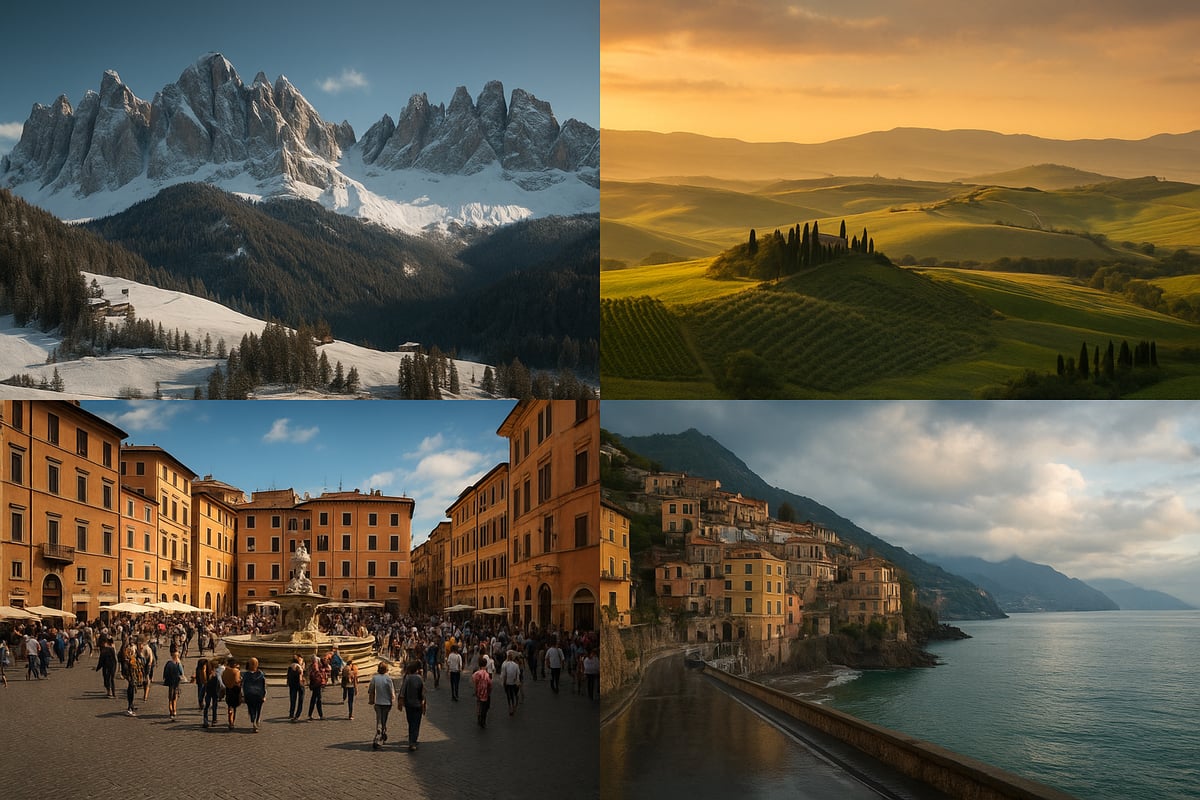
Italy’s geography stretches from Alpine peaks to sun-kissed southern shores, producing distinct regional climates. In the North, the Alps and Dolomites experience biting winters, with Dolomites’ January lows dropping to -10°C. Cities like Milan and Venice see brisk, foggy mornings. In contrast, Tuscany and Umbria in Central Italy enjoy milder winters and warm, dry summers, with July highs often reaching 30°C.
Southern Italy and the islands (Sicily, Sardinia, Puglia) offer a different story. Winters are gentle, with Palermo and Bari averaging 12°C in January. Summers here are long and hot, perfect for beach escapes. Rainfall patterns also vary: November is the wettest in the North, while October and November bring autumn storms to the South. July and August are typically the driest months everywhere.
Microclimates can surprise even seasoned travelers. Lake Como is cooler and wetter than nearby Milan, while Rome’s Mediterranean climate ensures milder winters. Palermo basks in almost year-round sunshine. For example, March can mean snowy slopes in the Dolomites but sunny hiking weather in Sicily. Understanding these patterns is key to finding the best time to visit italy for your interests.
Tourist Seasons & Cost Fluctuations
Tourist seasons in Italy significantly impact both the atmosphere and your budget. The high season runs from June to August. During this period, major cities and coastal resorts are packed, and prices for hotels and flights soar. Shoulder seasons—April to May and September to October—bring a sweet spot: pleasant weather, manageable crowds, and better value.
The low season, from November to March, offers bargains but comes with trade-offs. While you’ll find lower costs and empty museums, some rural hotels and attractions close, especially in smaller towns. For instance, November in Tuscany sees daytime highs around 14°C and frequent rain, making it ideal for budget travelers seeking solitude.
Booking early is crucial during high season and for popular events. Flexible travelers can find exceptional deals in the off months. For more strategies on crowd avoidance and value, see these off-peak travel tips for Italy. Choosing the best time to visit italy can mean the difference between overcrowded piazzas and peaceful local experiences.
| Season | Weather Highlights | Crowd Levels | Price Range |
|---|---|---|---|
| High (Jun-Aug) | Hot, sunny, dry | Very busy | $$$ |
| Shoulder (Apr-May, Sep-Oct) | Mild, pleasant, some rain | Moderate | $$ |
| Low (Nov-Mar) | Cool/cold, wet, snow in North | Sparse | $ |
Insider Perspective: How Locals Travel
Italians have their own rhythms when it comes to holidays. In August, many locals leave cities for the coast or mountains, leading to empty urban centers and bustling seaside villages. If you want to avoid crowds, plan your trip just after Easter or in late autumn, when even popular destinations like Florence become tranquil.
Locals often escape to hidden villages or less-visited regions, such as Abruzzo or Le Marche, especially during peak months. This approach lets you enjoy authentic culture and scenery without the tourist rush. For instance, visiting Florence after Easter means fewer queues and a more relaxed pace, while a winter trip to Venice reveals quiet canals and empty squares.
By understanding how Italians travel, you can discover the best time to visit italy for a genuine, crowd-free adventure. Whether you seek lively festivals or peaceful countryside, timing your visit with local habits will elevate your experience.
Month-by-Month Breakdown: When to Visit Italy in 2026
Italy offers something truly special every month. Whether you are drawn to snow-capped peaks, lively festivals, or tranquil countryside, understanding the best time to visit italy is essential for an unforgettable experience. Here is a detailed, month-by-month guide for 2026 travelers.
January–March: Quiet Charm & Winter Sports
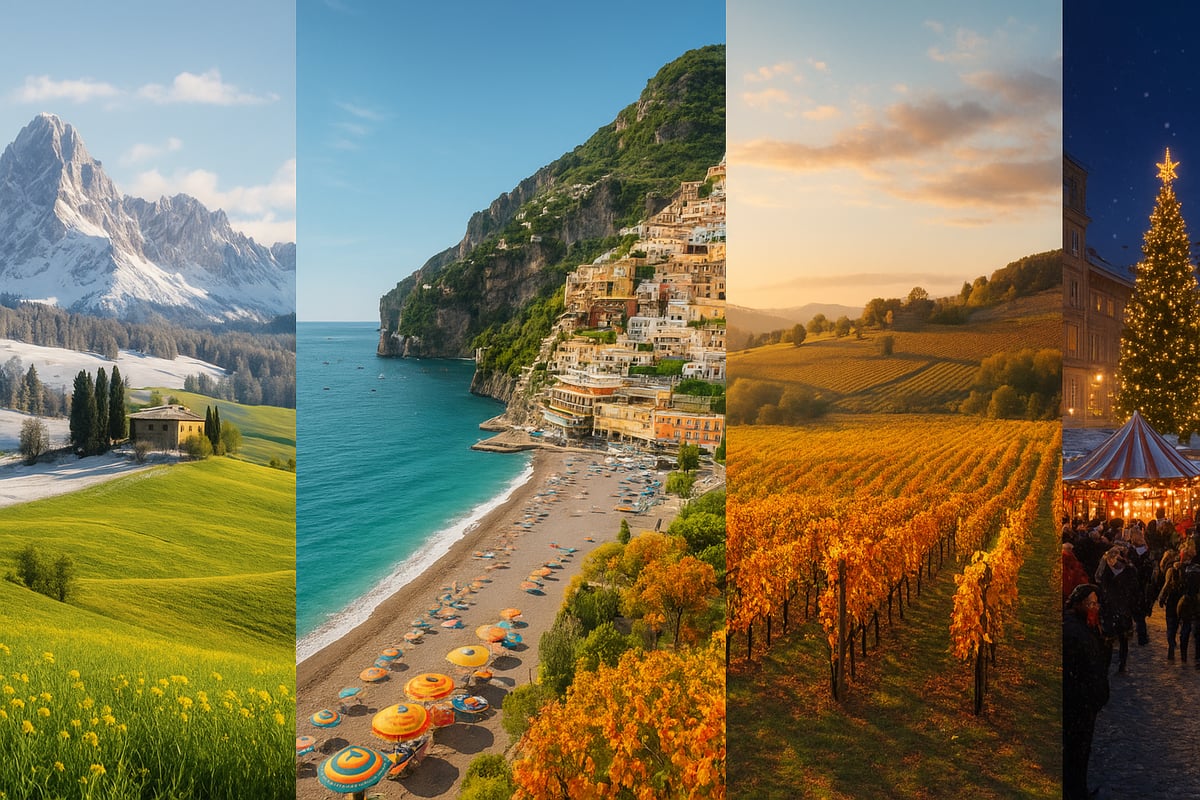
The first months of the year bring a peaceful side to Italy. January is the coldest, with the Alps and Dolomites transformed into a winter wonderland. Ski enthusiasts find the best time to visit italy here, thanks to world-class slopes and cozy mountain lodges. Milan and Cortina d'Ampezzo will be in the global spotlight as hosts of the 2026 Winter Olympics, drawing sports fans and adding festive energy.
February is Carnevale season, especially magical in Venice and Viareggio. Masks, parades, and local treats fill the streets, yet prices in cities remain lower than in summer. Southern Italy, like Sicily and Puglia, offers milder days, making it attractive for those seeking warmth and fewer crowds.
March can be unpredictable. In 2026, Easter falls in late March, so cities like Rome and Florence will host vibrant processions and religious events. While the north may still see snow, coastal regions begin to awaken, and trails on the Amalfi Coast and Cinque Terre reopen. Exploring Venice in February means quiet bridges and open piazzas, a rare treat for those seeking the best time to visit italy without crowds.
April–June: Blossoms, Festivals & Ideal Exploring
Spring is a season of renewal, and many travelers consider this the best time to visit italy. April brings wildflowers and the lemon harvest to the Amalfi Coast, while Tuscany and Umbria burst into color. Cultural festivals fill the calendar, and mild temperatures make walking and cycling a delight.
May is ideal for garden lovers, with Florence’s Iris Garden in full bloom. The weather is comfortable: Tuscany sees highs around 23°C, while the Dolomites remain cool at 11°C. It is the last month before the summer rush, offering a perfect blend of pleasant conditions and manageable crowds.
June marks the start of high season. Beach towns buzz with life, lakes shimmer under the sun, and the Verona opera season opens. The countryside is lush and inviting, and mountain regions like the Dolomites become accessible for hiking and outdoor adventures. For those searching for the best time to visit italy, this period offers a balance of vibrant culture, beautiful landscapes, and diverse activities.
July–August: Summer Frenzy & Escaping the Heat
July and August are the hottest and busiest months. Major cities and coastal resorts fill with travelers, and prices climb. The best time to visit italy for those who love lively atmospheres and beach days falls within these months, but it is important to plan for crowds and higher costs.
Northern Italy sees frequent thunderstorms, but the Alps and Dolomites offer cool escapes and stunning hiking routes. In August, many Italians leave cities for the coast or mountains, meaning urban centers like Rome and Milan feel almost deserted, while seaside towns and alpine villages are bustling.
If you prefer tranquility, consider rural countryside or mountain retreats. Southern Italy, including Sicily and Puglia, boasts long, sun-drenched days, perfect for beach lovers. Pack light clothing and sun protection, and be prepared for limited city services during the mid-August Ferragosto holiday.
September–October: Harvests, Wine & Golden Light
For many, autumn is the best time to visit italy. September ushers in the harvest season, with grape picking and wine festivals in Tuscany, Umbria, and Piedmont. Warm days and cool nights make it ideal for exploring the Amalfi Coast or wandering through vineyards.
October brings vibrant autumn foliage, truffle hunting in Piedmont, and the famous Alba White Truffle Fair. The countryside glows in golden light, and vineyard tours are at their peak. Rain is more frequent, especially in Tuscany (77mm average), but the atmosphere remains inviting.
This period is perfect for food and wine enthusiasts. Plan your trip around local festivals, and consider joining a guided harvest or truffle hunt. For more on autumn’s bounty and regional celebrations, explore this guide to autumn harvest festivals in Italy. If you seek the best time to visit italy for culinary adventures and stunning scenery, September and October will not disappoint.
November–December: Off-Peak Deals & Festive Spirit
As the year winds down, Italy shifts into a quieter, more intimate mode. November is the wettest month in much of the country, but it is also the best time to visit italy for budget travelers. City breaks are peaceful and affordable, while rural hotels may close for the season.
December sees festive decorations and Christmas markets in cities like Bolzano, Florence, and Rome. In the Alps and Dolomites, snow sports return, attracting skiers and snowshoers to pristine landscapes. Meanwhile, southern regions like Sicily and Puglia offer mild weather, perfect for winter walks.
This season is all about cozy evenings, local treats, and holiday celebrations. Venice in November promises solitude, while the Dolomites in December are a paradise for winter sports lovers. For those planning a trip during this time, the best time to visit italy may be when you can enjoy both festive spirit and off-peak prices, making for a truly memorable journey.
Best Times to Visit for Special Interests
Planning the best time to visit Italy depends not only on seasons, but also on your passions. Whether you crave culinary adventures, outdoor thrills, cultural immersion, or savvy savings, Italy offers a perfect window for every traveler. Below, discover the ideal times and insider tips tailored to your unique interests.
Food & Wine Lovers
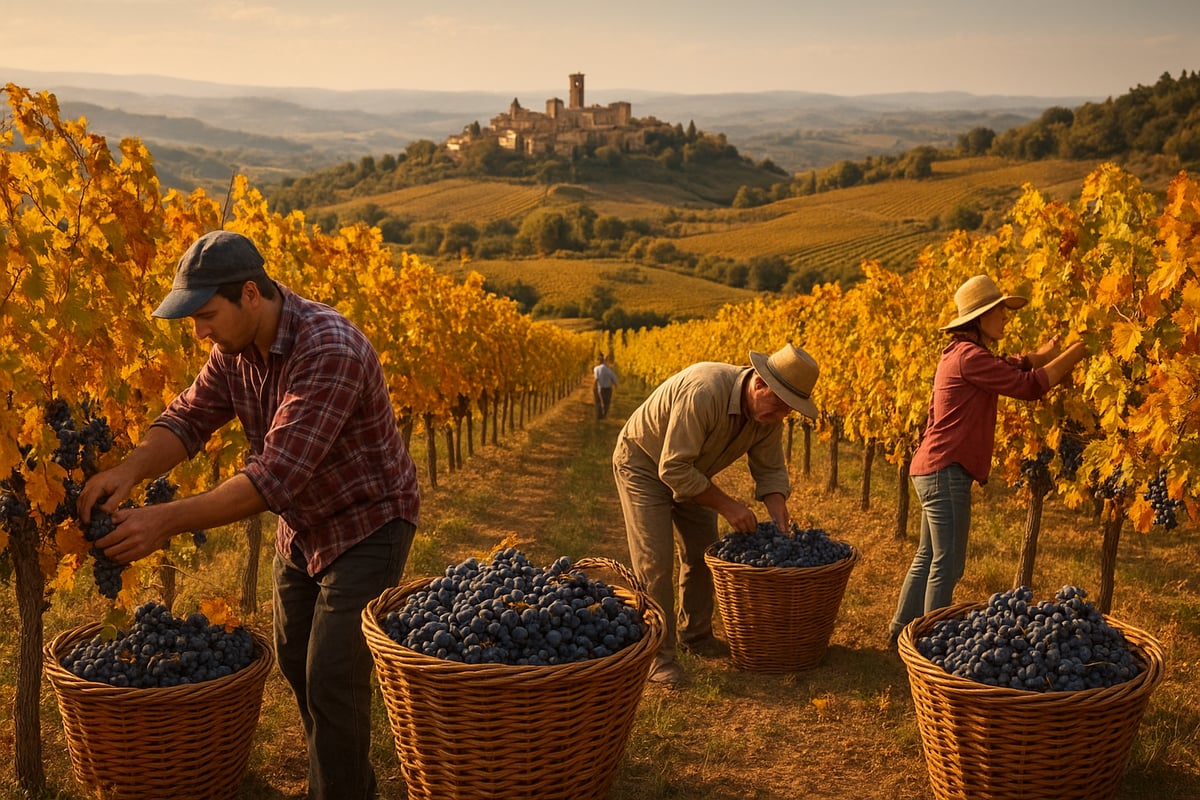
The best time to visit Italy for food and wine lovers is during the rich tapestry of harvest seasons. From October to December, white truffle season peaks, especially in Piedmont, where the famed Alba festival draws gourmets from across the globe. September and October are prime months for grape harvests, offering immersive vineyard tours and tastings in regions like Tuscany, Umbria, and Piedmont. Olive harvests in late October and November bring hands-on experiences in Puglia and Umbria.
Spring and fall are the top choices for cooking vacations, thanks to the abundance of fresh local produce. For a deeper dive into regional flavors and autumn’s culinary magic, explore wine harvest experiences in Italy. Imagine joining an Umbria farmhouse cooking class in June, surrounded by blooming fields and local markets brimming with ingredients.
Outdoor & Adventure Seekers
For outdoor enthusiasts, the best time to visit Italy aligns with pleasant weather and fewer crowds. Hiking shines from April to June and again from September to October, when trails like the Cinque Terre, Dolomites, and Amalfi Coast are open and scenic. Cyclists find spring and fall ideal for long rides through Tuscany’s rolling hills or along the sparkling lakes of northern Italy.
Skiers and snowshoers should target December through March, when the Dolomites and Alps are blanketed in snow. Beach lovers will prefer June to early September, with warm waters inviting relaxation along the coast or at the lakes. Picture yourself walking the Mont Blanc trails in July or cycling from the Dolomites to Verona in May, each adventure timed for optimal conditions.
Festival & Culture Enthusiasts
If festivals and culture top your list, the best time to visit Italy depends on the events you wish to experience. February and March offer the vibrant spectacle of Carnevale in Venice and Viareggio, with elaborate costumes and lively parades. May brings the Lemon Festival to Monterosso, a unique celebration of local flavors.
From June to September, the Verona Opera Festival fills ancient arenas with music, while Easter in March or April brings solemn processions and special masses, especially in Rome and the Vatican. December transforms cities and Alpine towns with festive Christmas markets. Attending the Vatican’s Palm Sunday mass in 2026 or joining Alba’s truffle fair in October ensures a memorable journey tied to Italy’s cultural heartbeat.
Budget & Crowd-Averse Travelers
Seeking the best time to visit Italy for value and tranquility? Focus on the quiet months: November, February, and early March offer the lowest prices and thinnest crowds. From January to March and again in November, you can enjoy peaceful city breaks and uncrowded museums, though some rural hotels and attractions may close.
These months are perfect for off-peak retreats, such as a cooking vacation in the countryside or a serene walk along the Amalfi Coast in November. Traveling during these times means stretching your budget further, experiencing authentic local life, and savoring Italy’s charms without the rush.
Regional Differences: Where to Go When
Italy’s diverse regions offer unique experiences, making the best time to visit italy depend on your destination and interests. From snow-capped peaks to sun-drenched coastlines, each area reveals a different side of la dolce vita. Understanding regional differences ensures your journey matches your dreams and the season’s delights.
| Region | Optimal Months | Highlights |
|---|---|---|
| Northern Italy | June–September, Dec–March | Lakes, mountains, skiing, city breaks |
| Central Italy | April–June, Sept–Oct, May | Vineyards, gardens, countryside |
| Southern Italy & Islands | May–June, Sept–Oct, June–Sept | Beaches, mild winters, harvests |
Northern Italy (Venice, Dolomites, Lakes)
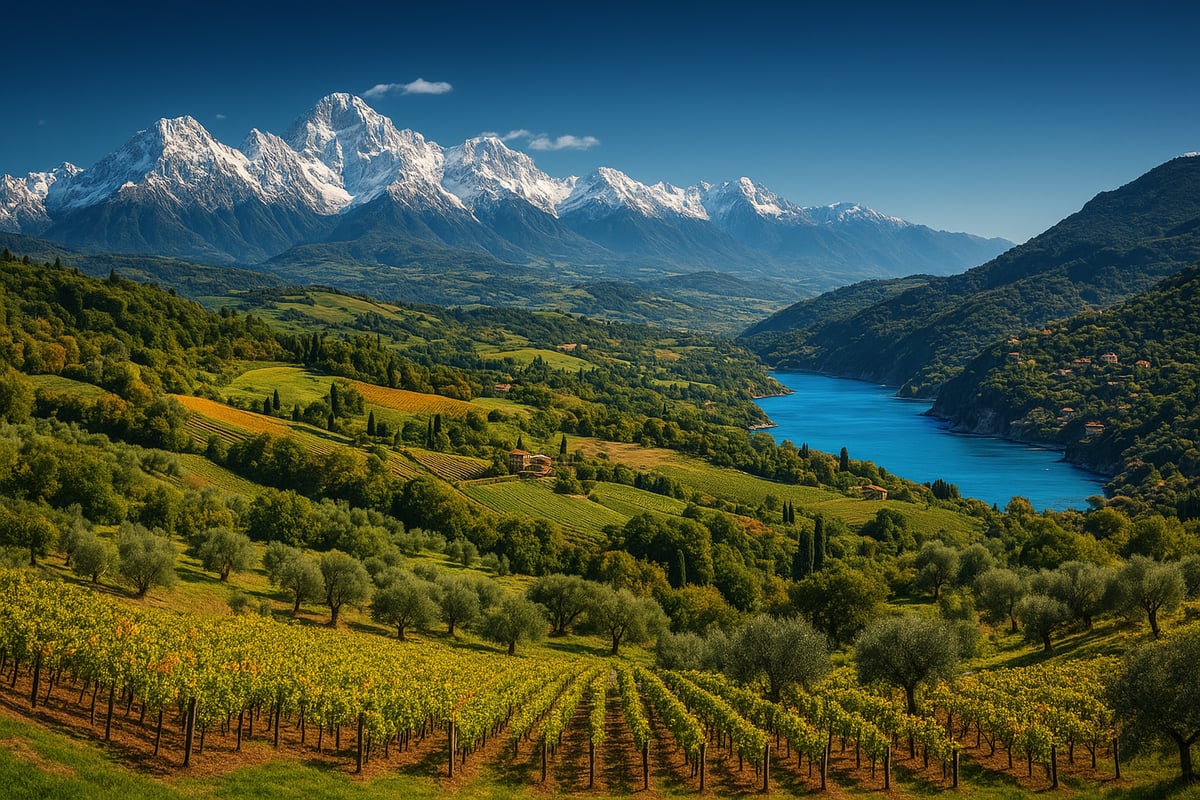
Northern Italy’s climate is defined by the Alps and shimmering lakes. The best time to visit italy here varies. June to September is ideal for exploring Lake Como’s tranquil waters or the vibrant cities, with mild temperatures and lively events. Winter (December to March) transforms the Dolomites into a skier’s paradise, offering pristine slopes and festive mountain villages.
Expect summer crowds in Venice and the lakes, but winter brings peaceful canals and quiet piazzas. For outdoor enthusiasts, consider the The Dolomites in every season for a deeper look at year-round activities. Experience Lake Como’s charm in June or snowshoeing in the Dolomites in January for contrasting adventures.
Central Italy (Tuscany, Umbria, Rome)
Central Italy blends rolling hills, Renaissance cities, and vineyard-cloaked countryside. The best time to visit italy in this region is during spring (April to June) and autumn (September to October), when the weather is warm and landscapes burst with color. May brings Florence’s famed Iris Garden and countryside festivals.
Summer can be hot, especially in Rome, but spring and fall offer comfortable temperatures for exploring villages and historic sites. Harvest season in September and October is perfect for wine and olive tours. For a hands-on experience, consider a cooking vacation in Umbria in June, when local produce is at its peak and rural life is vibrant.
Southern Italy & Islands (Amalfi, Sicily, Puglia, Sardinia)
Southern Italy and its islands are renowned for dramatic coastlines, ancient towns, and sunny climates. The best time to visit italy in these areas is May to June and September to October, when the sea is inviting and crowds are thinner. Summers are hot and lively, with long beach days and festive events.
Mild winters make Sicily and Puglia attractive for off-season escapes. The lemon harvest in Amalfi begins in April, while June marks the start of prime beach weather across Sardinia and the southern coasts. Enjoy scenic hikes along the Amalfi Coast in April or unwind on sunlit beaches in June—each season offers its own magic.
Insider Tips for Planning Your 2026 Italian Adventure
Dreaming of the best time to visit italy? Planning ahead unlocks a smoother, richer journey. These expert strategies will help you make the most of your 2026 adventure, avoid common pitfalls, and experience Italy like a local.
Booking Strategies & Timing
To secure the best time to visit italy, book accommodations and major event tickets as early as possible, especially for peak months like June through August and popular festivals such as Carnevale or truffle season. Opera lovers should reserve Verona tickets several months in advance. For more flexibility and value, consider traveling in shoulder or low seasons, when prices drop and availability rises. Flexibility with your travel dates can lead to significant savings and more authentic experiences.
Navigating Crowds & Hidden Gems
If you want to enjoy the best time to visit italy without the crowds, plan city visits midweek or early in the morning. Explore lesser-known regions such as Le Marche, Abruzzo, or Aosta Valley, where you can discover untouched landscapes and vibrant local traditions. Locals often recommend experiencing Florence after Easter, when the city is quieter, or wandering Venice’s canals in winter for a rare sense of solitude.
Packing & Preparation by Season
Packing smart is crucial for the best time to visit italy. Spring and autumn call for layers, while summer demands sun protection and light clothing. In November, bring waterproofs and umbrellas, as rainfall can spike. For hiking in Cinque Terre or the Dolomites, sturdy boots are essential. If you’re curious about recent weather patterns and how they might affect your trip, check out Italy’s Climate Data and Trends for detailed insights.
Packing Essentials Table
| Season | Must-Have Items | Notes |
|---|---|---|
| Spring/Fall | Layers, rain jacket | Unpredictable weather |
| Summer | Sunhat, sunscreen, shorts | High UV, city heat |
| Winter | Coat, scarf, boots | Snow in North, mild South |
Maximizing Cultural Experiences
For the best time to visit italy, align your trip with local festivals, food markets, or harvest seasons. Booking guided tours can offer exclusive access to vineyards or truffle hunts. In 2026, the 2026 Mediterranean Games in Taranto will be a major attraction for sports fans and culture seekers alike. Join a truffle hunt in Piedmont in October, or attend a local village festa for a truly immersive experience.
Sustainable & Responsible Travel
Choosing the best time to visit italy also means being mindful of your impact. Traveling in shoulder seasons supports local economies and reduces pressure on popular spots. Opt for eco-friendly tours and shop from local artisans. Avoid peak summer if possible, as overtourism strains resources and diminishes the local experience. Responsible travel ensures Italy’s beauty endures for generations.
Adapting to Local Customs & Holidays
Understanding Italy’s calendar is key to planning the best time to visit italy. Public holidays like Ferragosto (August 15), Easter, and Liberation Day can mean closures in cities but lively celebrations in villages. Plan ahead to avoid disappointment and consider timing your visit to join in festive traditions. For example, many shops and museums close on Ferragosto, but coastal towns come alive with fireworks and feasts.
Common Public Holidays Table
| Holiday | 2026 Date | Impact |
|---|---|---|
| Easter | April 5 | Processions, closures |
| Ferragosto | August 15 | City closures, village events |
| Liberation Day | April 25 | Parades, some closures |
Using Local Transport & Getting Around
The best time to visit italy often coincides with pleasant train journeys—spring and autumn offer comfortable temperatures and scenic views. Regional ferry schedules for lakes and islands can change in winter, so plan accordingly. Renting a car is ideal for exploring rural regions during quieter months when public transport may be limited. Booking tickets in advance for popular train routes ensures smooth travels and peace of mind.
Essential 2026 Events & Calendar Highlights
Italy’s 2026 calendar is packed with iconic festivals, cultural milestones, and seasonal celebrations. Choosing the best time to visit italy often depends on aligning your trip with these unforgettable experiences. Whether you are passionate about food, music, history, or sports, Italy’s event calendar offers something for every traveler.
Unmissable Italian Events in 2026
Here are some of the top highlights to help you plan the best time to visit italy:
| Event | Date(s) | Location(s) | Highlights |
|---|---|---|---|
| Carnevale | Feb 7–17, 2026 | Venice, Viareggio | Grand parades, masked balls |
| Easter | April 5, 2026 | Rome, Vatican, Florence | Religious processions, pageantry |
| Verona Opera Festival | June–September 2026 | Verona | Open-air operas in ancient arena |
| Lemon Festival | May 2026 | Monterosso (Cinque Terre) | Citrus-themed food, parades |
| Alba White Truffle Fair | Oct–Nov 2026 | Alba (Piedmont) | Truffle markets, tastings |
| Christmas Markets | December 2026 | Bolzano, Florence, Rome | Festive stalls, crafts, treats |
| Wine Harvest | Sept–Oct 2026 | Tuscany, Piedmont, Umbria | Vineyard tours, grape picking |
| Olive Harvest | Oct–Nov 2026 | Puglia, Umbria | Olive oil tastings, farm visits |
Sports, Festivals, and Local Traditions
For cycling enthusiasts, the 2026 Giro d’Italia is a unique opportunity. The race will begin in Bulgaria, then roll through Italy’s scenic countryside. If you are planning the best time to visit italy for sports, consider following the 2026 Giro d’Italia Start in Bulgaria for route details and timing.
Food lovers will want to schedule their visit around the Alba White Truffle Fair in autumn or the wine and olive harvests in Tuscany and Umbria. Spring brings the Lemon Festival in Monterosso, while December offers magical Christmas markets in northern and central cities.
Example: Planning Around Signature Events
Imagine timing your trip for October and joining the Alba White Truffle Fair. You can sample world-class truffles, enjoy local wines, and experience Piedmont’s autumn colors. Alternatively, visit in early May for the Lemon Festival, then continue to Florence for the Iris Garden in bloom.
Whether you are drawn to grand parades, sacred rituals, or culinary delights, the best time to visit italy in 2026 hinges on these vibrant events. Mark your calendar and plan ahead for a truly memorable Italian adventure.
Now that you know the best times to experience Italy’s vibrant festivals, hidden villages, and breathtaking landscapes in 2026, you might be wondering how to turn all this inspiration into your own unforgettable adventure. That’s where our expertise comes in. At Your Custom Journey, we craft personalized itineraries that match your passions and travel style, offering exclusive access and seamless support from start to finish. If you’re ready to start planning or just want to explore the possibilities with a true local expert, fill the form and book a call with Fabio to get started on your dream Italian journey.
Article written using RankPill.


