

Step into the heart of Vatican City, where ancient basilicas, Renaissance masterpieces, and daily rituals form a living tapestry inside Rome. Every corner offers a story, and 2026 promises fresh ways to experience this unique enclave.
As an Italian travel designer, I know that a rome vatican city tour is about more than ticking off sights. It is about finding the right entry, choosing the best season, and savoring an espresso after viewing Michelangelo’s frescoes.
This guide delivers practical strategies, insider tips, and local flavor. Expect a clear roadmap to essential highlights, hidden gems, booking advice, and expert solutions for a seamless Vatican visit.
Planning Your Vatican Visit for 2026
A successful rome vatican city tour in 2026 starts with smart, local planning. Each detail, from how you enter to what you wear, makes the difference between a rushed visit and an authentic experience.
Understanding Vatican City’s Layout and Access
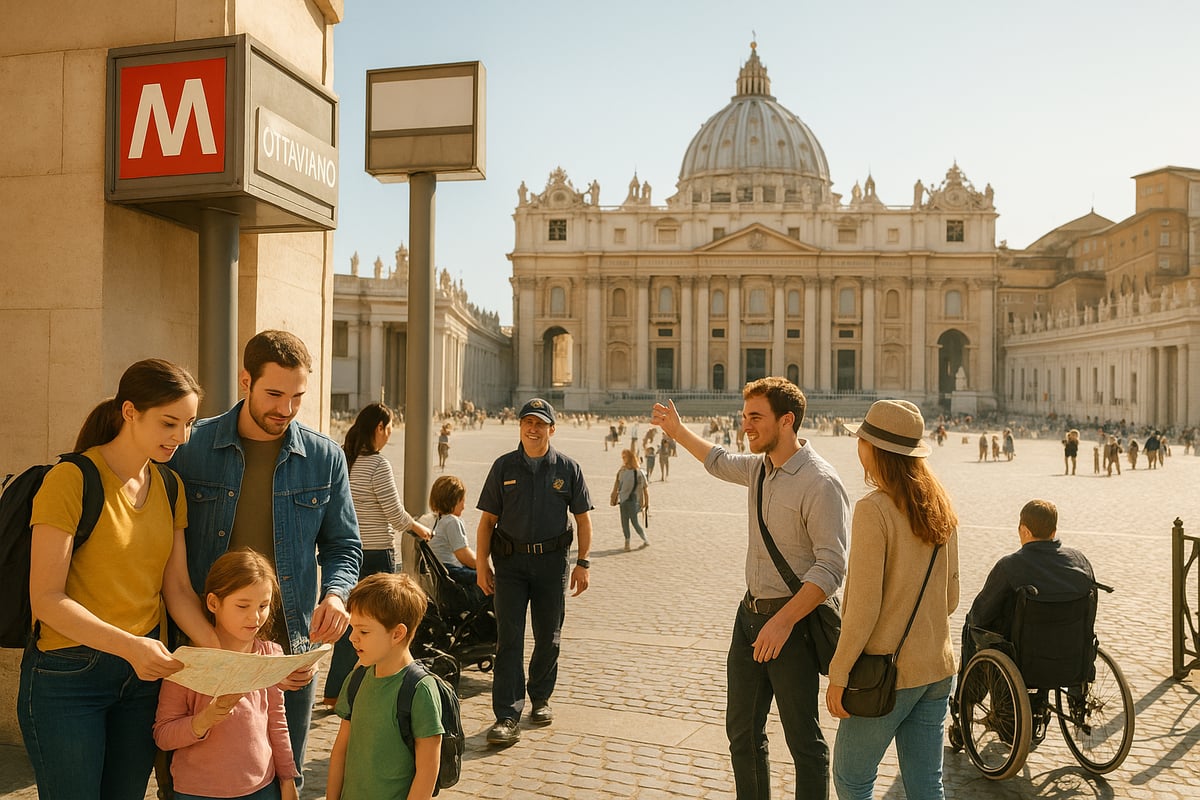
Vatican City is compact but complex. The main sights—St. Peter’s Basilica, the Vatican Museums, Sistine Chapel, and Vatican Gardens—are connected but have separate entry points. Expect security checks at each entrance and coordinated visitor flows, especially during 2026, when new routes and possible restoration works may affect navigation.
Accessibility is good, with ramps and multilingual signage. For example, from Ottaviano metro, follow Via Ottaviano straight to St. Peter’s Square. Mobility aids and strollers are welcome, and guides are available in several languages.
Best Times to Visit and Seasonal Considerations
Timing is everything for a rome vatican city tour. High season (April-October) means crowds and long waits, while winter offers quieter visits and shorter lines. In 2026, be alert for special events such as Holy Years or major exhibitions, which draw extra visitors.
Early mornings or late afternoons are best for quieter moments. In 2023-2024, average wait times peaked at 90 minutes in summer, dropping to 20-30 minutes off-season. Plan your visit around daylight hours and check for updated schedules.
Ticketing and Advance Bookings
Official Vatican ticket platforms are the safest choice for entry. Third-party resellers may offer skip-the-line or guided tour options, but always compare prices and reviews. In 2026, digital ticketing and new mobile apps will streamline booking and entry.
For example, to attend a Wednesday Papal Audience, reserve your Vatican Museums slot in advance. Crowds have surged recently, making advance planning essential. According to Vatican Museums attendance figures 2024, the museums are among the world’s busiest, so book early.
Dress Code and Visitor Etiquette
Dress modestly: cover shoulders and knees, as “coprire le spalle” is a local expectation. Large bags are not allowed, and photography is restricted in sacred areas. Silence is required in chapels, especially the Sistine Chapel.
Many visitors forget these rules, so double-check before entering. Security will ask you to adjust attire or leave prohibited items outside. Respecting these traditions ensures a smooth rome vatican city tour.
Language, Guided Tours, and Audio Guides
In 2026, guided tours are available in Italian, English, French, Spanish, German, and more. Licensed guides offer deeper context, but self-guided apps are improving—many now include interactive maps and audio features.
For example, Vatican audio guides can highlight masterpieces and suggest custom routes. Choose the format that matches your interests and language preferences for a richer experience.
Budgeting for Your Vatican Experience
Plan your rome vatican city tour budget in advance. Standard entry tickets (2024) are €17 per adult, guided tours from €35, audio guides €7, and family discounts are available.
| Item | Adult | Child | Family of Four |
|---|---|---|---|
| Entry Ticket | €17 | €8 | €50 |
| Guided Tour | €35 | €20 | €110 |
| Audio Guide | €7 | €5 | €24 |
Watch for free entry days, usually the last Sunday of each month. Plan ahead to avoid extra costs.
Essential Travel Documents and Health Protocols
Bring a valid passport or ID—required for all visitors. EU citizens can enter with a national ID, while non-EU travelers need a passport. Health protocols remain in place post-pandemic, including hand sanitizing stations and possible mask requirements in crowded areas.
Emergency contacts and visitor services are clearly posted at entrances. Save the local emergency number (112) in your phone before starting your rome vatican city tour.
Must-See Highlights: Art, Architecture, and Spiritual Wonders
Explore the essential stops of any rome vatican city tour with a focus on what truly stands out. As someone who has spent years guiding travelers through these sacred halls, I recommend planning your time carefully for the best experience.
St. Peter’s Basilica: Icons and Experiences
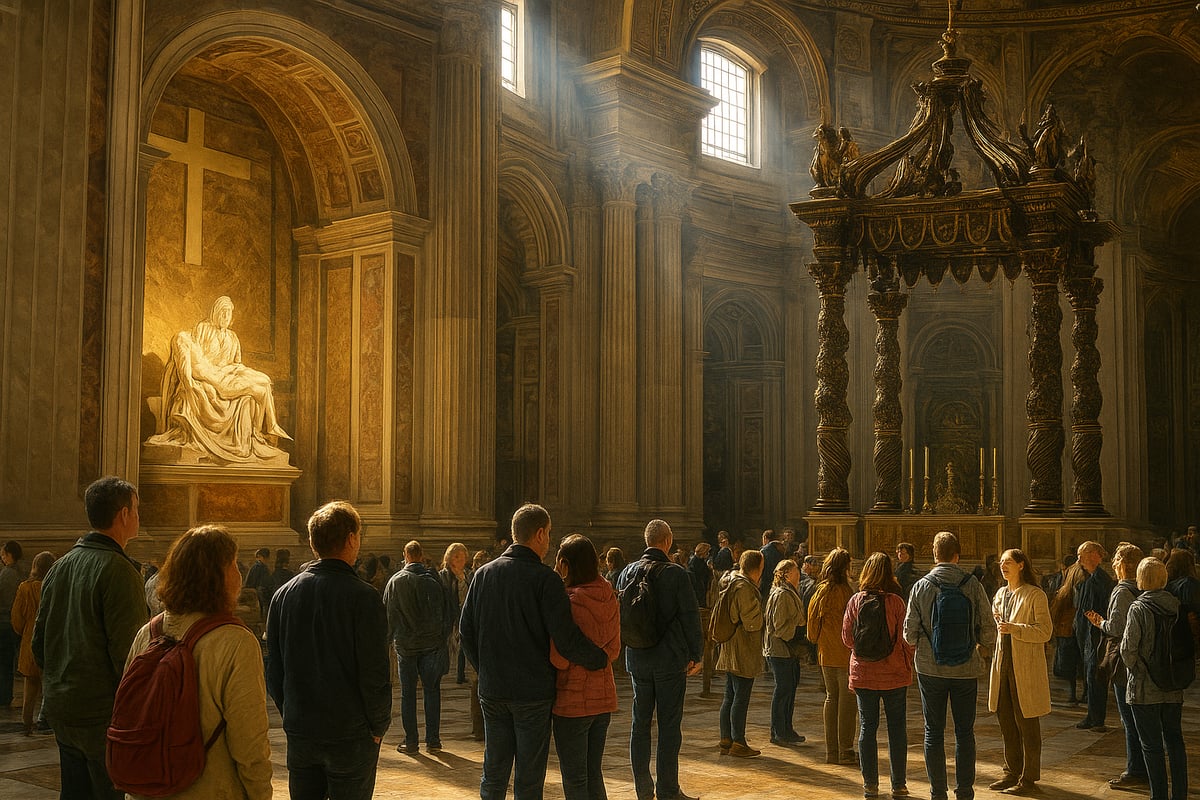
St. Peter’s Basilica is the heart of any rome vatican city tour. Michelangelo’s Pietà greets visitors near the entrance, while Bernini’s Baldacchino dominates the central altar. For panoramic city views, I always suggest climbing the dome—either by elevator or, for the fit, by the spiral stairs.
Mass schedules are posted weekly, and Papal ceremonies, especially on Sundays, draw large crowds. One memorable experience is joining the Angelus prayer in St. Peter’s Square; arrive by 11:30 AM to find a good spot. Dress respectfully and keep shoulders covered as locals do, especially during services.
Vatican Museums: Masterpieces and Marvels
The Vatican Museums are a highlight of any rome vatican city tour. The Gallery of Maps, Raphael Rooms, and the Pinacoteca offer a cross-section of Renaissance genius and papal history. In 2026, look for special exhibitions and restoration works, which are announced early in the year.
Advance booking is essential, especially given the record visitor numbers reported during Jubilee Years (Vatican City visitor statistics 2025). Popular galleries often see wait times over 60 minutes in peak season. To maximize your visit, plan a route that starts at your top priority—most travelers begin with the Raphael Rooms, then move toward the Sistine Chapel before crowds build.
Sistine Chapel: Michelangelo’s Ceiling Up Close
No rome vatican city tour is complete without the Sistine Chapel. Entry is managed through the Vatican Museums, and silence is strictly enforced. Photography is not allowed—guards will remind you. The best viewing is early morning or during the special evening openings in summer, when crowd levels are lower and the lighting is softer.
If you want a quieter experience, book a late entry slot or join a guided visit after regular hours. Remember to dress conservatively and follow all instructions from staff for a respectful visit.
Vatican Gardens: Tranquility Behind the Walls
The Vatican Gardens are a breath of fresh air in the midst of the city’s bustle. Guided tours are required—book at least a month in advance as spots fill quickly, especially in spring when the azaleas and roses are at their peak.
Expect to see centuries-old fountains, rare Mediterranean plants, and papal monuments. Tours last about two hours and are offered in English and Italian. Autumn visits are quieter and bring beautiful golden tones to the landscape.
Necropolis and Scavi Tour: Underground Secrets
The Necropolis and Scavi Tour is one of the most exclusive parts of the Vatican. Only a handful of groups are allowed each day, so request a spot months ahead. The tour descends below St. Peter’s to the ancient Via Triumphalis and the believed tomb of the Apostle.
Proper shoes and a respectful attitude are required. This experience is best for those interested in archaeology and early Christian history.
Vatican Library and Archives: For the Culturally Curious
Access to the Vatican Library and Archives is mainly for researchers, but public exhibitions and lectures are scheduled throughout 2026. Highlights include illuminated manuscripts, rare books, and rotating displays on papal history.
If you are a scholar, request access well in advance with supporting documents. For most travelers, check the official calendar for temporary exhibitions open to the public—these offer a rare glimpse into the Vatican’s intellectual treasures.
Local Experiences and Hidden Gems Beyond the Main Attractions
Exploring beyond the grand icons of a rome vatican city tour reveals the heartbeat of local life. Just outside the Vatican walls, timeless neighborhoods and tucked-away treasures invite you to slow down and savor authentic Italian moments. Here’s how to experience the city like a local, whether you have an afternoon or a few days.
Vatican Neighborhoods: Borgo, Prati, and Beyond
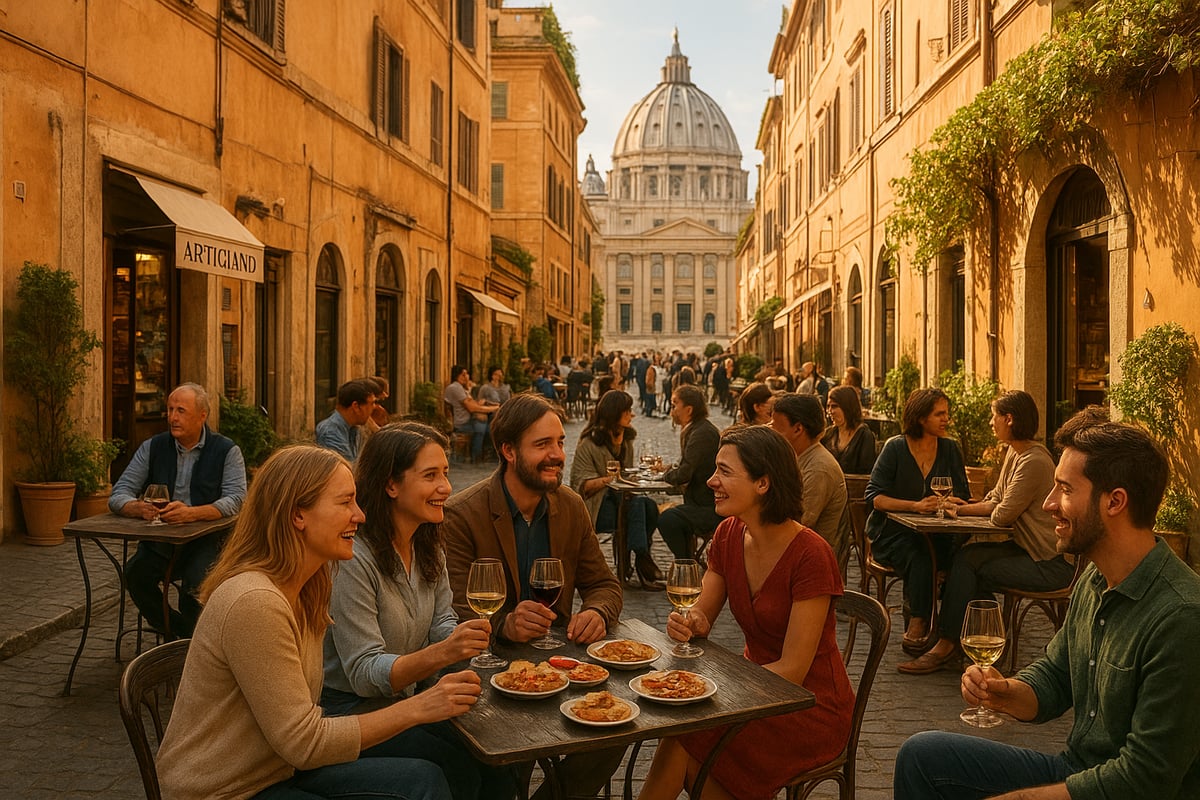
Borgo and Prati are my go-to districts for travelers seeking a break from crowds. Borgo’s narrow lanes are lined with historic trattorias and artisan bakeries, perfect for a morning espresso or an evening stroll. Prati feels more residential, with elegant shopping streets and local markets.
For a classic Roman aperitivo, head to Piazza Risorgimento between 5 and 7 PM. Here, locals gather for spritz and small plates before dinner. Try “trapizzino” (stuffed pizza pockets) or a plate of “carciofi alla romana” if artichokes are in season. These neighborhoods offer a genuine slice of daily life, just steps from the Vatican’s grandeur.
Off-the-Beaten-Path: Little-Known Chapels and Museums
Hidden within Vatican territory, the Chiesa di Santo Stefano degli Abissini is a peaceful retreat. This Ethiopian chapel, open most mornings, often goes unnoticed even during peak rome vatican city tour seasons. Nearby, the Museo Storico Vaticano inside the Apostolic Palace displays centuries of papal history, with shorter lines and quieter halls than the main museums.
For more under-the-radar discoveries, see Secret corners of Italy. In 2023, visitor stats showed these lesser-known sites received just 5% of total Vatican foot traffic, making them ideal for those who value tranquility and reflection.
Food and Wine: Eating Like a Local Near the Vatican
Eating well is central to any rome vatican city tour. Around the Vatican, look for family-run trattorias serving classics like “supplì” (fried rice balls) and “maritozzi” (sweet cream buns). Many wine bars in Prati feature Lazio DOC bottles by the glass. For lunch between museum visits, choose places with handwritten menus, a sign of fresh, seasonal cooking.
If you need a quick bite, “pizza al taglio” shops offer slices sold by weight. Ask for “un pezzo di pizza bianca” with mortadella for an authentic snack.
Shopping for Authentic Souvenirs and Religious Items
Souvenir shopping here is more than picking up magnets. The Vatican Galleria shops sell official items, while Via di Porta Angelica has stalls with hand-crafted rosaries and medals. For a fair comparison, see the table below:
| Item | Official Shop (€) | Street Vendor (€) |
|---|---|---|
| Rosary | 15–25 | 8–20 |
| Papal Blessing | 25–35 | 20–30 |
| Postcards | 1–2 | 0.50–1 |
Tip: For a meaningful gift, purchase a rosary inside the Vatican and have it blessed during your visit.
Events, Festivals, and Special Access in 2026
Special events can elevate any rome vatican city tour. In 2026, expect major religious festivals, art openings, and open-air concerts. Easter week brings midnight vigils and elaborate processions. Tickets for Papal Masses are free but must be reserved well in advance through the Prefecture of the Papal Household.
For art lovers, keep an eye on temporary exhibitions announced each spring. If you want access to exclusive celebrations, ask your hotel concierge or a local travel designer to assist with bookings.
Practical Local Services: ATMs, Pharmacies, and Restrooms
Practicalities matter, especially in busy areas. ATMs are available near Piazza San Pietro and in Prati. Pharmacies (“farmacie”) open from early morning until late evening, with at least one on duty overnight in the area.
Public restrooms are located at the Vatican Museums entrance, St. Peter’s Square, and near Castel Sant’Angelo. For a clean stop, consider a café in Borgo—just be sure to order a coffee first. Emergency contacts are posted at major entrances, and lost property can be reported at the Vatican Gendarmerie office.
Step-by-Step Itinerary: Making the Most of One Day in Vatican City
Planning a rome vatican city tour for one day requires precision and a bit of local know-how. Here’s a practical breakdown so you can maximize every hour, avoid crowds, and experience the best of the Vatican in 2026.
Morning: Early Entry to Vatican Museums and Sistine Chapel
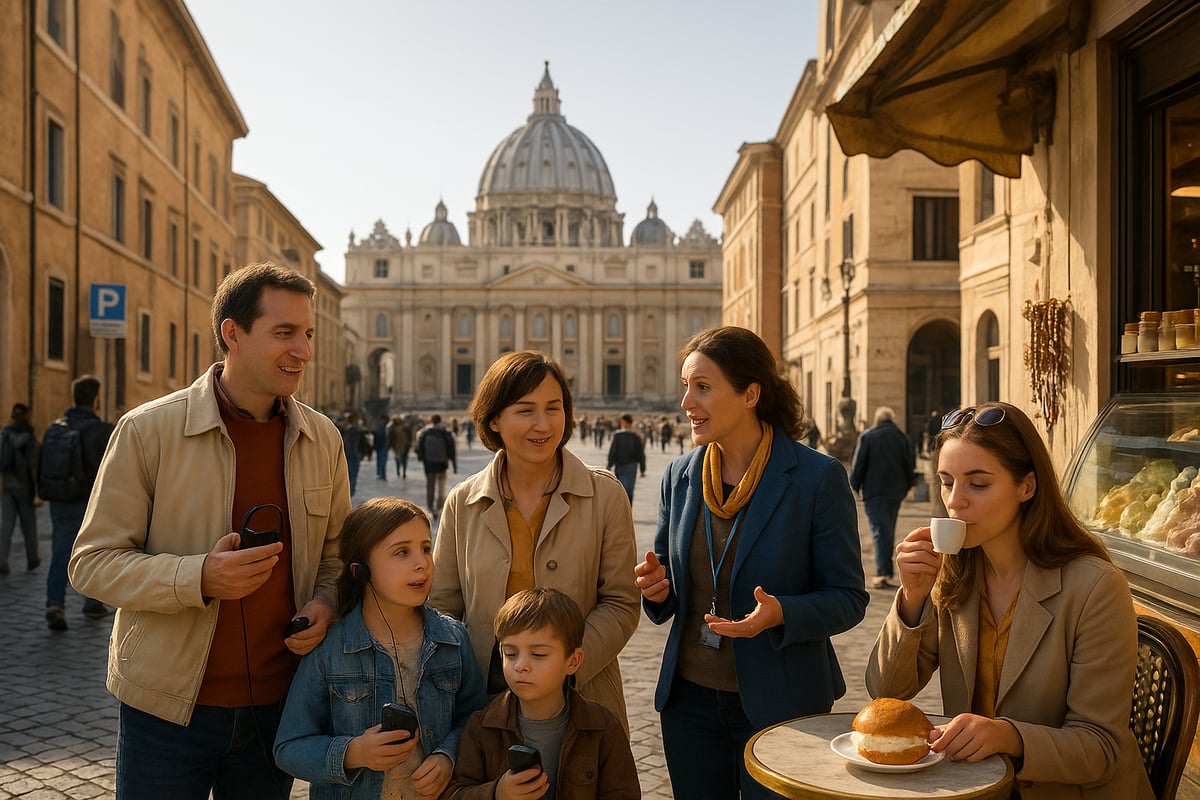
Start your rome vatican city tour at sunrise. Secure a first-entry ticket to the Vatican Museums, ideally booking several weeks ahead for a slot before 8:30 AM. Arriving early lets you stroll through the Gallery of Maps and the Raphael Rooms almost alone. Prioritize the Sistine Chapel, where silence enhances the impact of Michelangelo’s frescoes. Use the Ottaviano metro stop for a smooth approach and follow signage for museum entry. Early birds beat the crowds and enjoy cooler temperatures. For more on how crowd patterns can affect your visit, see the Vatican City overtourism report 2025.
Midday: St. Peter’s Basilica and Dome Climb
After the museums, head directly to St. Peter’s Basilica. Security lines are shortest before noon. Admire Michelangelo’s Pietà and Bernini’s Baldacchino, then decide if you want to climb the dome. There are two options: elevator to the terrace plus 320 steps, or all 551 steps on foot. The view across Rome is worth the effort. For a seamless rome vatican city tour, check mass schedules in advance, especially on Wednesdays or Sundays when Papal events alter access.
Lunch Break: Dining Choices Near the Vatican
For lunch, step into a trattoria on Via delle Grazie or Via di Porta Angelica. Roman pizza al taglio—by the slice—is fast and flavorful. If time allows, try carciofi alla giudia in spring or a maritozzo with cream for dessert. Local wine bars offer Lazio DOC selections. Reservations are smart if you want to sit, especially on weekends. Slow down, savor, and recharge. To embrace a more immersive approach, consider the tips in The art of unhurried travel.
Afternoon: Vatican Gardens or Scavi Tour
Choose your next adventure: a guided walk through the Vatican Gardens or the underground Scavi Tour. Both require advance booking—Scavi tours, in particular, can sell out months ahead. The gardens offer tranquil paths, fountains, and papal history, while the Scavi reveals the ancient necropolis beneath St. Peter’s. Allocate 90 minutes for either. For a rome vatican city tour with a cultural edge, spring brings lush blooms to the gardens, while autumn highlights the archaeological wonders below.
Late Afternoon: Exploring Borgo and Prati Districts
After leaving Vatican territory, stroll through Borgo’s narrow lanes or Prati’s elegant boulevards. Stop for gelato at a local shop or enjoy aperitivo at Piazza Risorgimento. This is the time to browse for authentic souvenirs—rosaries, artisan crafts, or papal-blessed items. Walking routes from St. Peter’s to Castel Sant’Angelo are scenic and safe. These neighborhoods reveal the daily rhythm that most rome vatican city tour visitors miss.
Evening: Attending a Papal Event or Local Concert
If your visit coincides with a Papal Audience or special Mass, reserve tickets in advance. Evening Masses and concerts in nearby churches, like Santa Maria in Traspontina, offer a peaceful close to your day. Alternatively, cross the Tiber for sunset views from Ponte Sant’Angelo. This final moment completes your rome vatican city tour, blending spiritual and cultural experiences in the heart of Rome.
Expert Tips and Smart Strategies for a Seamless Vatican Adventure
Avoiding Crowds and Maximizing Comfort
Planning a rome vatican city tour is all about timing and smart navigation. The best months for lighter crowds are January, February, and mid-November. Midweek visits, especially Tuesdays and Thursdays, see fewer group tours.
Consider these strategies:
- Book the earliest or latest entry slots for the Vatican Museums.
- Visit St. Peter’s Basilica during lunchtime or just before closing.
- Use the Porta Sant’Anna entrance if you have a guided tour reservation.
Here’s a quick comparison table for crowd levels:
| Month | Average Wait (min) | Best Time of Day |
|---|---|---|
| March-May | 45 | 8:00, 15:00 |
| June-Sep | 75 | 8:00, 17:00 |
| Oct-Feb | 25 | 9:00, 16:00 |
Small adjustments can transform your experience, letting you enjoy more art, less queuing.
Navigating Security and Entry Points Efficiently
Security is thorough but predictable. Arrive with only essentials: small bag, water, and documents. Large backpacks and umbrellas slow you down, as they require storage at the cloakroom.
Expect metal detectors and bag checks at all main entrances. Mobile tickets now speed up the process—scan your code and proceed. For a rome vatican city tour, always verify ticket authenticity and use official platforms.
If you’re heading to a Papal Audience, allow extra time for security lines. The Ottaviano metro station remains the most direct public transport route to St. Peter’s Square.
Making Advance Reservations for Special Experiences
For 2026, digital platforms offer more flexibility for booking exclusive Vatican events. Secure spots for Papal Masses, Scavi Tours, or after-hours museum visits at least three months ahead.
Follow these booking tips:
- Use official Vatican websites for major attractions.
- Guided tours often include skip-the-line benefits.
- Double-check cancellation policies, especially during special events.
If you want to move beyond standard routes, consider Beyond the bucket list Italy trips for ideas on crafting a personalized rome vatican city tour. A travel designer can also help secure rare experiences, like early entry to the Vatican Gardens.
Understanding Cultural Norms and Local Etiquette
Respect for customs is key. Greet staff and clergy with a polite “buongiorno.” In sacred spaces, maintain silence, switch off your phone, and avoid eating or drinking.
Dress codes are strict: cover knees and shoulders. If unsure, bring a lightweight scarf or jacket. Learn a few words of Italian—“grazie mille” (thank you very much) goes a long way.
During your rome vatican city tour, remember that gestures matter. Avoid loud conversations, especially in chapels, and observe how locals interact with religious sites.
Accessibility and Family-Friendly Planning
Vatican City has improved access for all. Wheelchair and stroller users should use marked routes, especially via the main museum entrance. Family restrooms are available near the museum café.
Child-friendly audio guides feature scavenger hunts and interactive maps. Plan breaks in shaded courtyards, and bring snacks for kids, as food options inside the museums are limited.
For a family rome vatican city tour, reserve tickets in advance, and opt for shorter, focused visits to keep everyone engaged.
Safety, Scams, and Common Pitfalls to Avoid
Stay alert for unofficial guides near entrances. Only accept assistance from staff with visible Vatican badges. Pickpocketing can occur in crowded areas, so keep valuables close and use a crossbody bag.
Emergency numbers are posted at information desks, and pharmacies are just outside the Vatican walls. If you lose something, report it immediately to the nearest visitor service desk.
By following these expert strategies, you’ll enjoy a seamless rome vatican city tour—rich in authenticity, comfort, and memorable moments.
As you prepare to discover the rich tapestry of Vatican City in 2026, remember that a truly memorable journey is about more than just seeing the sights—it's about experiencing them in a way that resonates with your interests and pace. With insider tips on timing, exclusive access, and hidden gems, you have the foundation to create an extraordinary visit. If you’d like expert help crafting a seamless, personalized Vatican adventure that covers every detail from skip the line bookings to local dining, Fill the form and book a call with Fabio for a tailored itinerary and dedicated support every step of the way.


